Created 24-Jan-18
Modified 14-Oct-26
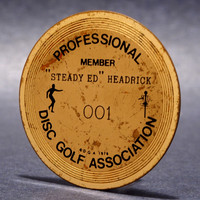
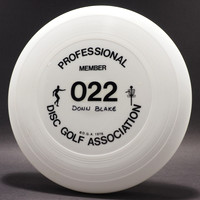
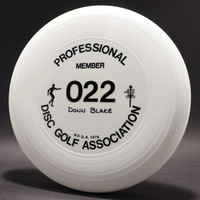
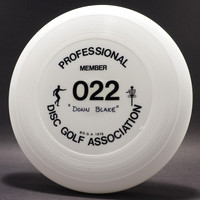
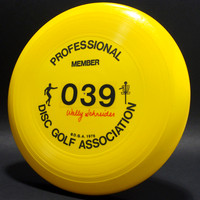
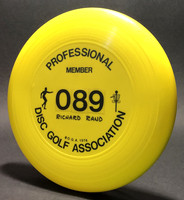
Professional Disc Golf Association (PDGA) An Introduction, History, and Membership Number SystemWhat Is the PDGA? The Professional Disc Golf Association (PDGA) is the international governing body for the sport of disc golf. Founded to bring structure, standards, and legitimacy to competitive play, the PDGA establishes and enforces the official rules of disc golf, sanctions tournaments worldwide, manages player ratings, and supports the growth of the sport at both amateur and professional levels.Today, the PDGA oversees tens of thousands of sanctioned events each year and serves a global membership base across dozens of countries. Why the PDGA Was Formed In the early 1970s, disc golf was rapidly gaining popularity, but competitive play lacked: Consistent rules Standardized course design A governing body to sanction tournaments A system to recognize player achievement As tournaments became more common and prize money entered the scene, it became clear that the sport needed formal organization. The PDGA was formed to: Create uniform rules of play Establish standards for courses and equipment Provide tournament sanctioning Track player rankings and ratings Promote disc golf as a legitimate competitive sport This step was critical in transforming disc golf from a casual recreational activity into a recognized international sport. Who Founded the PDGA? The PDGA was founded in 1976 by Ed Headrick, often referred to as the “Father of Disc Golf.”Ed Headrick was also: A former executive at Wham-O (the company that popularized the Frisbee) The inventor of the modern disc golf target (the “pole hole” and later the basket with chains) A major force in organizing early disc golf courses and tournaments Headrick envisioned disc golf as a lifetime sport that could be played by anyone, anywhere. The PDGA became the organizational backbone to make that vision sustainable and scalable. PDGA Membership: What the Numbers Mean When players join the PDGA, they are issued a unique PDGA membership number. These numbers are assigned sequentially and provide a fascinating historical snapshot of when a player joined the organization.Why PDGA Numbers Matter PDGA numbers are more than just IDs—they are a piece of disc golf history. Lower numbers generally indicate early pioneers of the sport, while higher numbers reflect the explosive growth of disc golf in recent decades. Many long-time players wear their low PDGA numbers with pride, as they represent being part of the sport during its formative years. Approximate PDGA Number Ranges by Era Note: These ranges are approximate and meant as historical reference points. Membership growth has accelerated significantly since the 2010s, especially following the COVID-era boom in outdoor recreation. 1976–1980 PDGA #1 – ~1,000 Founding generation of competitive disc golfers Early organizers, course designers, and touring pros Many players personally knew Ed Headrick and other pioneers 1981–1989 ~1,000 – ~10,000 PDGA begins to stabilize as a formal organization Growth of tournament play and regional tours Expansion of permanent courses across the U.S. 1990–1999 ~10,000 – ~25,000 Disc golf spreads more broadly across North America Equipment manufacturers expand mold offerings The PDGA refines rules, divisions, and ratings systems 2000–2009 ~25,000 – ~60,000 Growth fueled by online communities and early social media Major tournaments gain visibility The PDGA becomes more internationally recognized 2010–2019 ~60,000 – ~150,000 Explosion of professional touring players Media coverage increases Live scoring, online stats, and video coverage become mainstream 2020–Present ~150,000 – 300,000+ Massive surge in new players Pandemic-era outdoor recreation boom Disc golf enters a new era of professional sponsorships, broadcast coverage, and global expansion How PDGA Numbers Are Assigned Numbers are issued sequentially as players join Once assigned, a PDGA number never changes If a membership lapses and later renews, the player keeps their original number The number itself does not indicate skill level—only the relative timing of when the player joined Why the PDGA Matters to the Sport of Disc Golf The PDGA’s influence extends far beyond tournament administration. It has played a key role in: Establishing disc golf as a credible competitive sport Creating pathways for professional careers Supporting course development worldwide Maintaining standards of fair play and sportsmanship Preserving the history and continuity of organized disc golf Without the PDGA, modern professional disc golf—with touring pros, major championships, ratings, and standardized equipment—would likely not exist in its current form. In Summary The PDGA was founded in 1976 by Ed Headrick to bring structure, legitimacy, and organization to a rapidly growing sport. Its membership numbering system offers a unique historical record of disc golf’s growth—from a small community of pioneers to a worldwide sport with hundreds of thousands of players.For historians, collectors, and long-time players alike, PDGA numbers tell a story: who was there early, and how far the sport has come.
Photo copyrights belong to their respective contributors, disc design copyrights belong to their designers